

HORSEMANSHIP. IT’S WHAT WE’RE ABOUT.
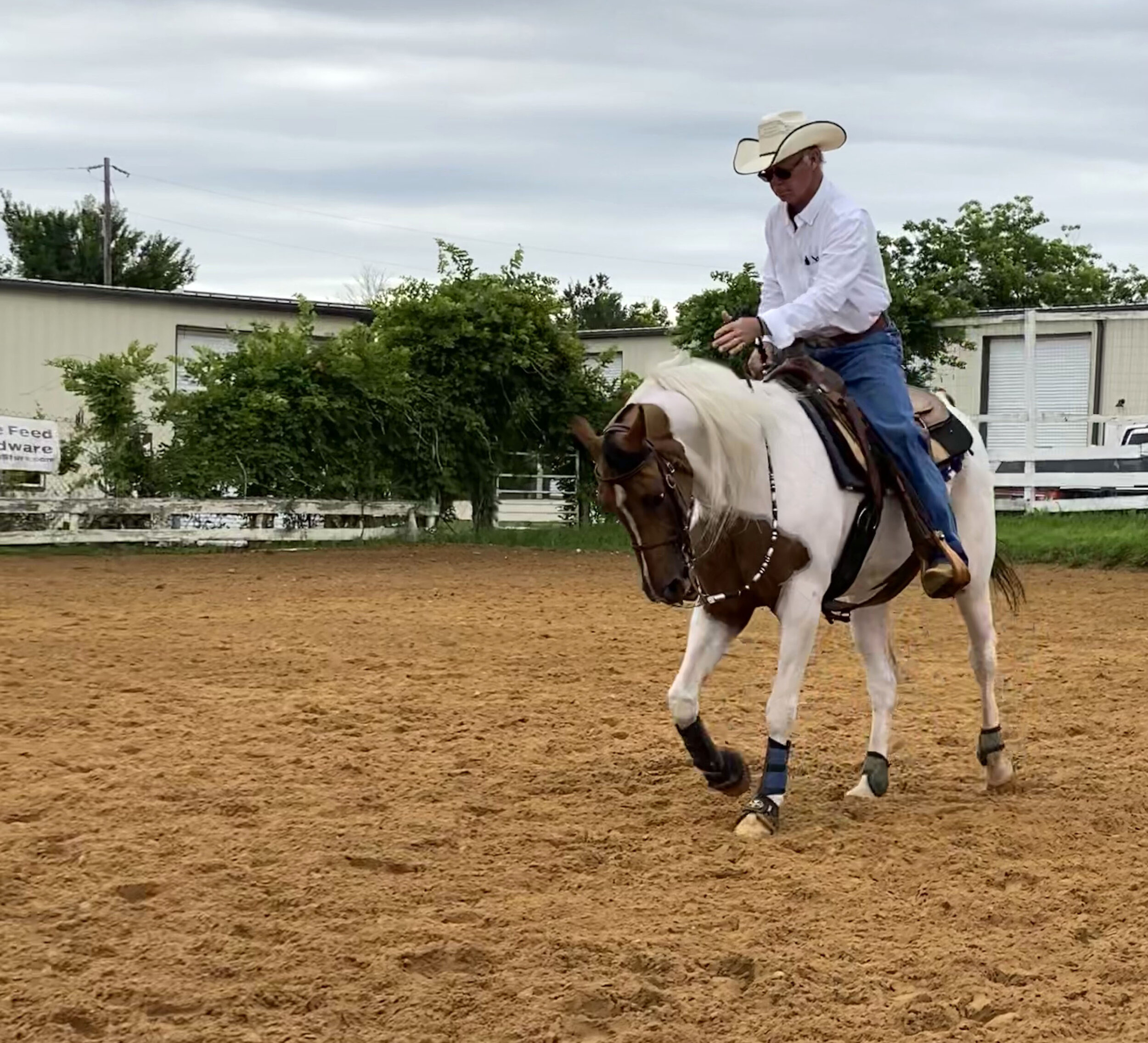
Pete Lichau's Horsemanship is a horse-centered approach built on a foundation of honoring horses with the respect they deserve and considering their instincts to connect in a way that feels natural to the horse. Pete teaches his students about the history of horsemanship, the science behind the way horses experience the world, and how the two connect so you can build an even closer bond with your horse.
Pete Lichau's Horsemanship
There are two ways to approach horsemanship- a human-centered approach or a horse-centered approach. A human-centered approach is about getting the horse to adapt to the human's way of doing things, and the horse-centered approach is about understanding and adapting to the way a horse thinks to invite them to complete an action in a way that feels right to the horse. Pete works with riders who want to build a more meaningful connection with their horse by transitioning from a human-centered approach to a horse-centered approach.
As humans, we are naturally goal-oriented, we seek rewards, and we are uniquely skilled at using tools to shape the world around us. Horses, as prey animals, primarily seek safety, avoid danger, and feel relaxed when they are in balance because that state allows them to quickly activate a flight or fight response if the need arises. Considering how different these perspectives are, the way we approach horsemanship significantly impacts the way our relationship develops with a horse.
A human-centered approach is what is typically taught across all disciplines because it comes mosts naturally to us as a species. This approach focuses on leveraging tools to get the horse to do what we want, but ignores the perspective of the horse. In a human-centered approach, horses are also are taught by a process of elimination to avoid or give into pressure, or in other words they learn what not to do. Horses have an amazing capacity for forgiveness and will do their best to understand and adapt to the human way of doing things, but often times the confusion or even emotional trauma that method can cause hurts the horses's bond with the rider and can lead to a habitual state of anxiety or stress over time.
Pete's horse-centered approach to horsemanship starts with the perspective of the horse. His approach is deeply rooted in the history of California Vaquero horsemanship blended with the science behind the horse's neuroendocrinology, which is how sensory experiences of the environment trigger chemical responses in the brain that impact hormones and behavior.
Understanding that horses feel comfort and safety in physical balance, in the horse-centered approach the horse is invited to move into balance to complete a desired action. When given this choice, a horse will naturally take it because it feels right to them, similar to a human's ability to choose the right note at the end of a musical scale- it sounds right to us.
With Pete’s horse-centered approach, the rider learns to invite rather than force the horse to complete a desired action. With this mindset, the horse has a say in the work, and Pete believes our horses deserve to be rewarded for "the try". This way of riding is like a dance of understanding the horse's balance and learning to create the space for them to achieve it. In this dance, the horse is freed from the burden of understanding, which sits with the rider instead. As the leader, the rider must to develop the ability to feel what the horse needs at a specific moment in time to reach balance.
Pete's horse-centered approach is incredibly challenging and completely changes the way you will interact with your horse, but you'll find it's worth the effort to build a deeply rewarding and genuine bond with your horse.
Quisque iaculis facilisis lacinia. Mauris euismod pellentesque tellus sit amet mollis.